


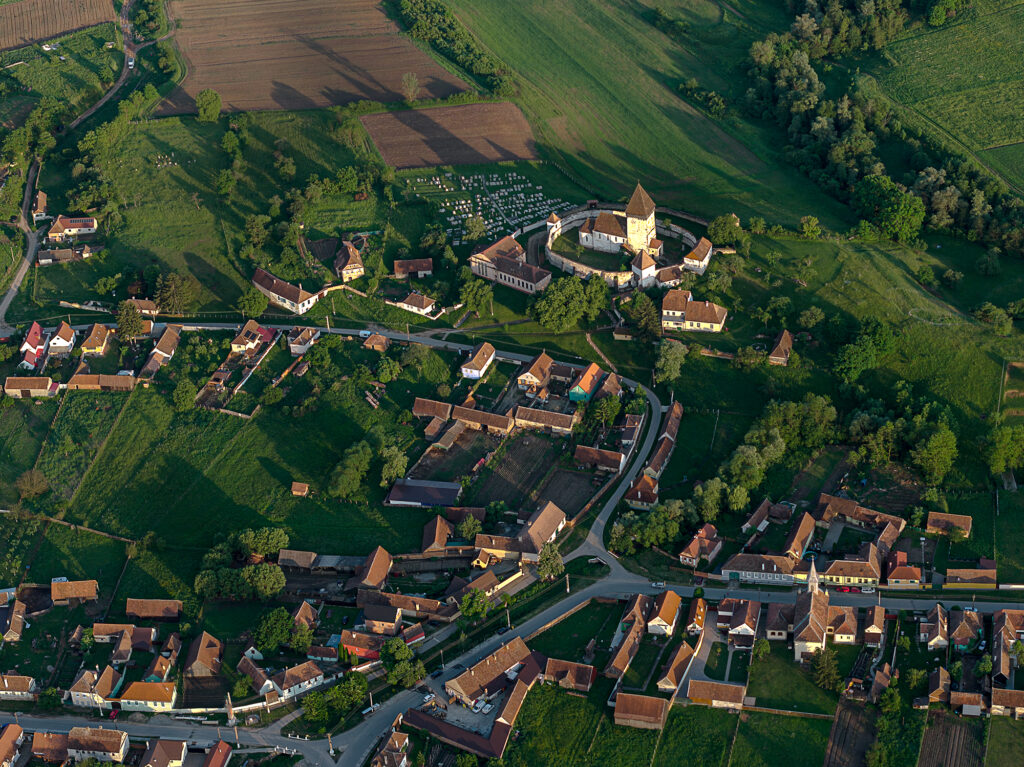
Hosman Fortified Church, Romania
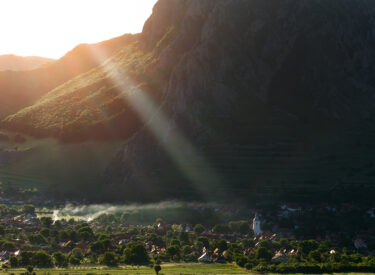
Nestled in the rolling countryside of southern Transylvania, the village of Hosman is home to one of the region’s lesser-known yet remarkably preserved fortified churches. Located about 25 km northeast of Sibiu, the church stands at the heart of a traditional Saxon village surrounded by farmland, forests, and gentle hills.
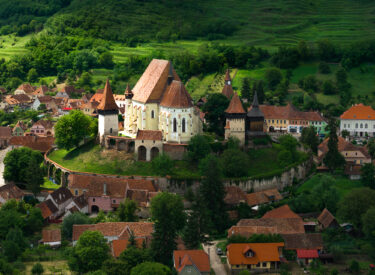
The fortified church was built by the Transylvanian Saxons, who settled in the region during the Middle Ages. The original church dates back to the 13th century and was constructed in the Romanesque style. As Ottoman incursions and regional conflicts threatened rural communities, the church was gradually transformed into a fortified refuge. Defensive walls, towers, and storage spaces were added, allowing villagers to seek shelter and protect their provisions during times of danger.
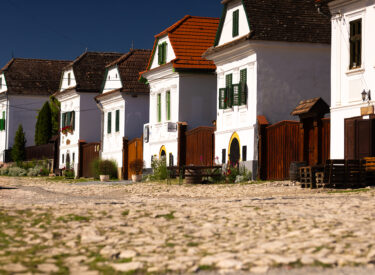
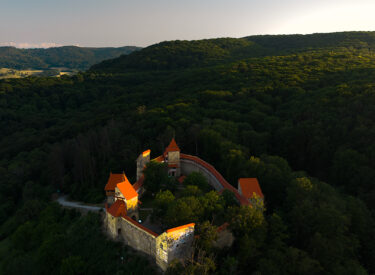
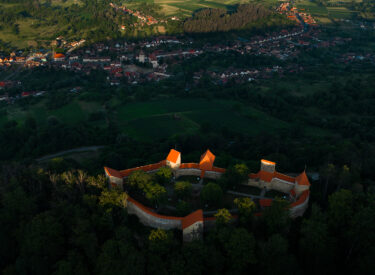
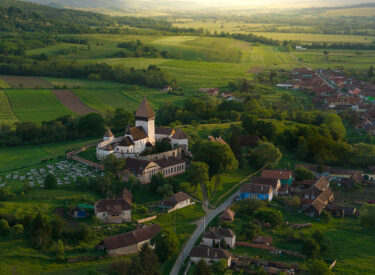
Today, visitors can still admire the thick stone walls that encircle the church, the historic bell tower, and the peaceful village atmosphere that has changed little over the centuries. Unlike some of Transylvania’s more famous fortified churches, Hosman offers a quieter and more authentic experience, making it an ideal stop for travelers seeking to explore the region’s rich cultural heritage away from the crowds.
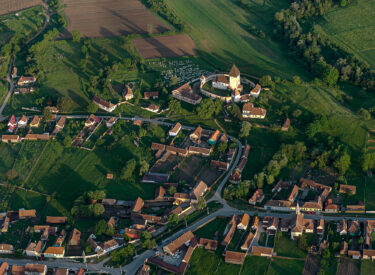
A visit to Hosman is not only a journey into medieval history but also an opportunity to experience the rural charm that defines much of Transylvania. Whether viewed from the ground or from above, the church and its surrounding village form a striking landscape that reflects centuries of coexistence between people, architecture, and nature.
Travel Tip: Hosman is easily reached by car from Sibiu and can be combined with visits to other fortified churches in the region, making it a rewarding stop on any Transylvanian road trip.
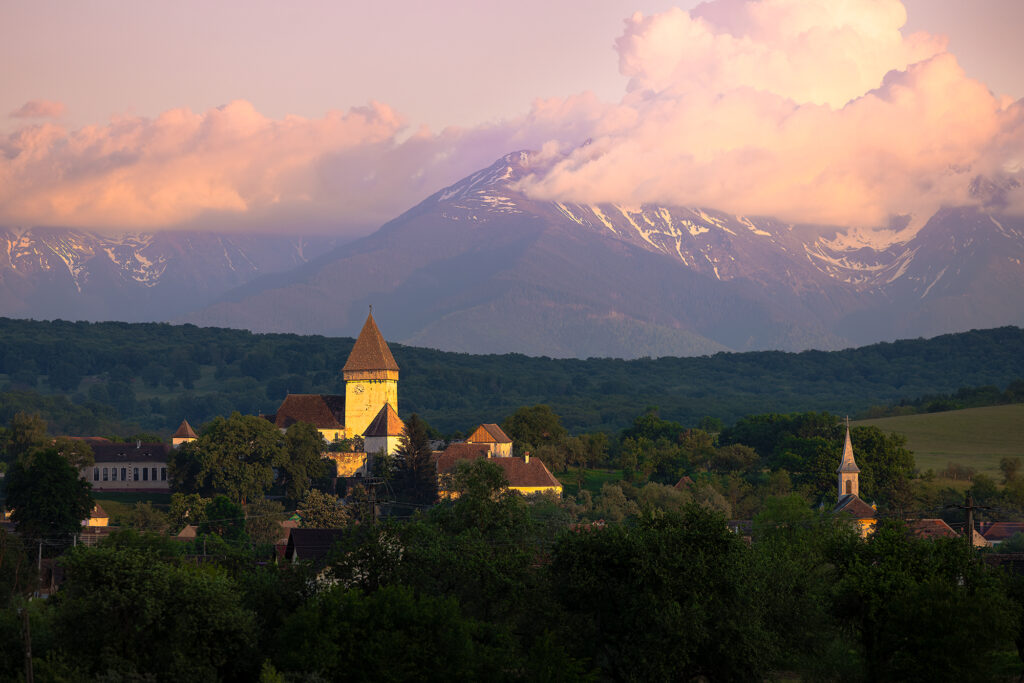
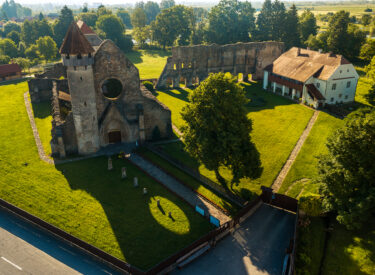
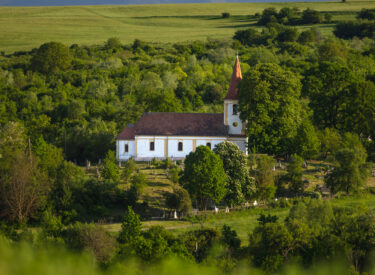
Hosman Fortified Church, a timeless medieval landmark in the heart of Transylvania, Romania.
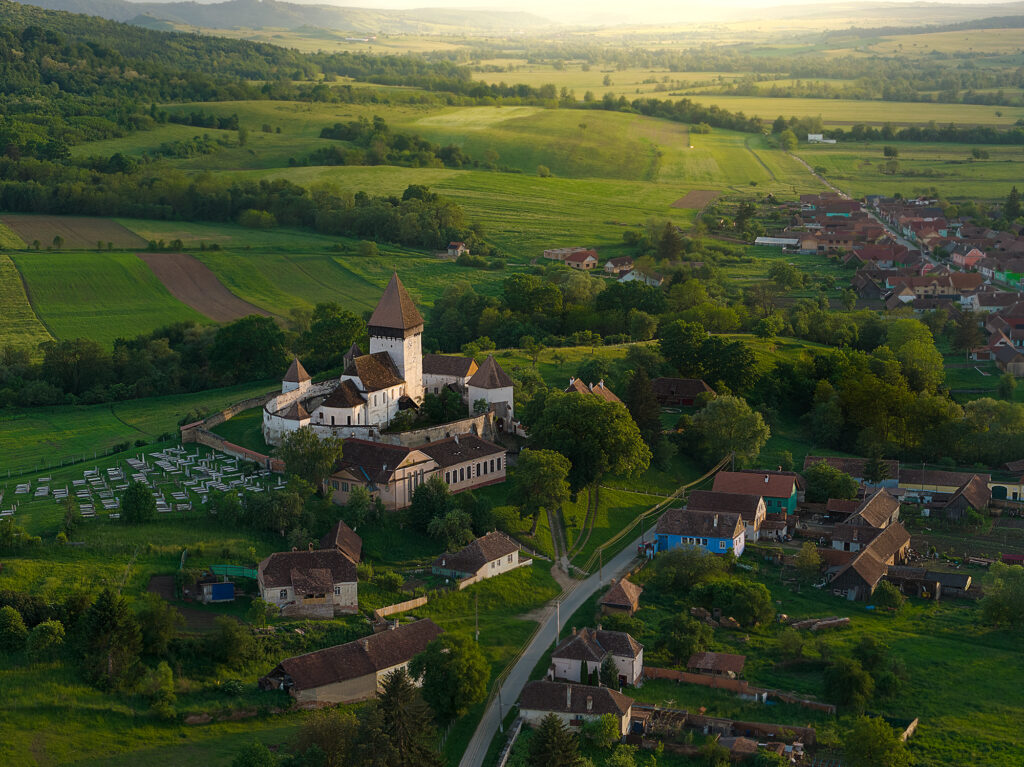
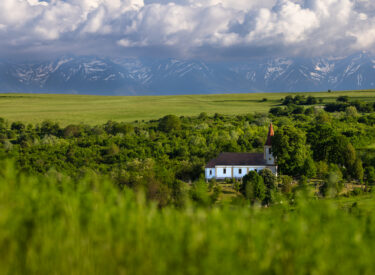
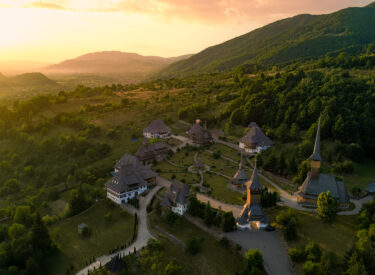
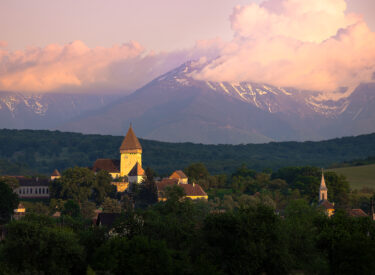
Golden hour over Hosman Fortified Church. Warm evening light and the rich textures of the Transylvanian countryside .
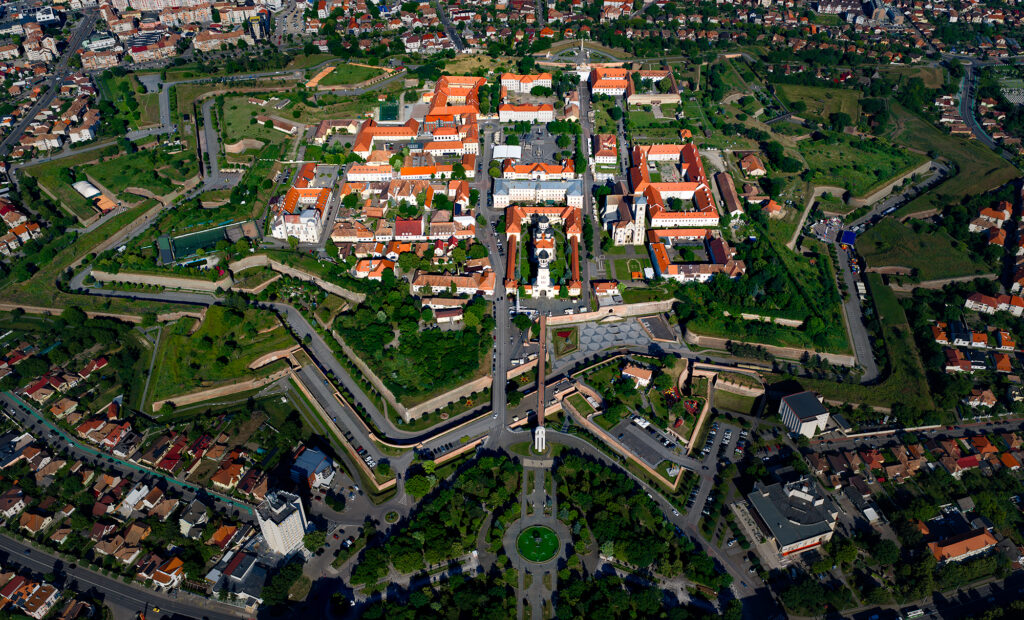
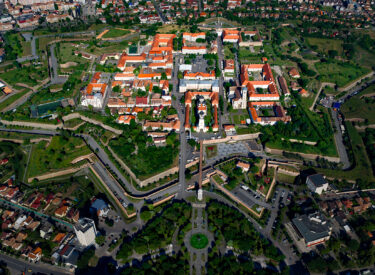
The iconic Alba Iulia Star-Shaped Citadel—a masterpiece of military engineering and one of Romania’s greatest historic landmarks. 📸🏰
#AlbaIulia #StarFort #Romania #Transylvania #Heritage #TravelRomania #Photography
Seen from above, the Alba Iulia Star-Shaped Citadel reveals one of Europe’s finest examples of Vauban military architecture. Built by the Habsburg Empire between 1715 and 1738, the fortress was designed with a distinctive seven-pointed star layout. This geometric design wasn’t just visually impressive—it was a masterpiece of military engineering. The angled bastions eliminated blind spots, allowing defenders to protect every section of the walls with overlapping fields of fire while making it extremely difficult for attackers to approach unnoticed.
The fortress occupies a site that has been strategically important for nearly two thousand years. Before the Habsburgs, the area was home to the Roman legionary fortress of Apulum, one of the largest Roman settlements in Dacia. Throughout the medieval period, it continued to serve as an important political and military centre of Transylvania.
Alba Iulia is also one of the most significant places in Romanian history. On 1 December 1918, representatives from across Transylvania gathered here to proclaim the Union of Transylvania with the Kingdom of Romania, an event that laid the foundations of modern Romania. Today, this historic moment is celebrated every year as Romania’s National Day, making the citadel not only a remarkable fortress but also a powerful national symbol.
Walking through its monumental gates, wide avenues, and beautifully restored squares, it’s easy to appreciate why Alba Iulia has become one of Romania’s most visited historical destinations. From the impressive fortifications to the cathedrals, museums, and ceremonial guards, every corner reflects centuries of military strategy, political importance, and cultural heritage.
From the air, the perfect symmetry of the seven-pointed fortress becomes truly breathtaking, showcasing why the Alba Iulia Star-Shaped Citadel is regarded as one of the greatest fortified cities in Europe and an essential stop for anyone exploring Romania’s rich history.

Sorry, the comment form is closed at this time.